


carbon fiber fabrics

 Authorized Distributor
Carbon fiber fabrics, engineered for every layup.
Multiaxial non-crimp, woven, spread tow and preform fabrics in 3K to 50K tow — from 50 g/m² ultra-light layers to 2540 mm wide structural rolls for wind, marine, automotive and sports composites.
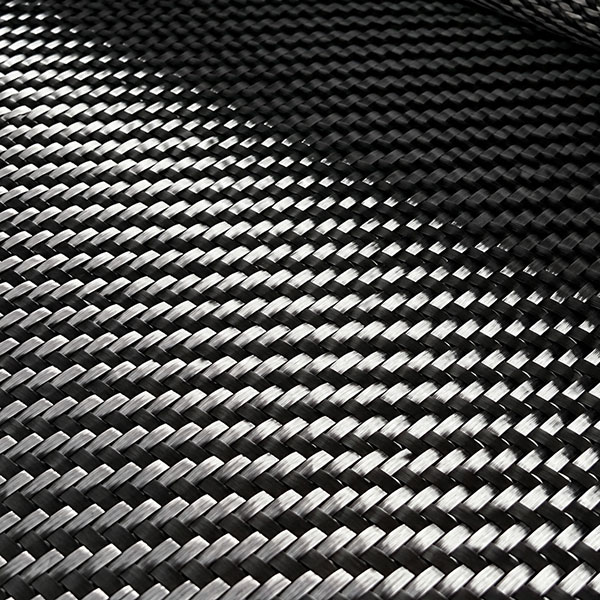 2×2 Twill · CWT
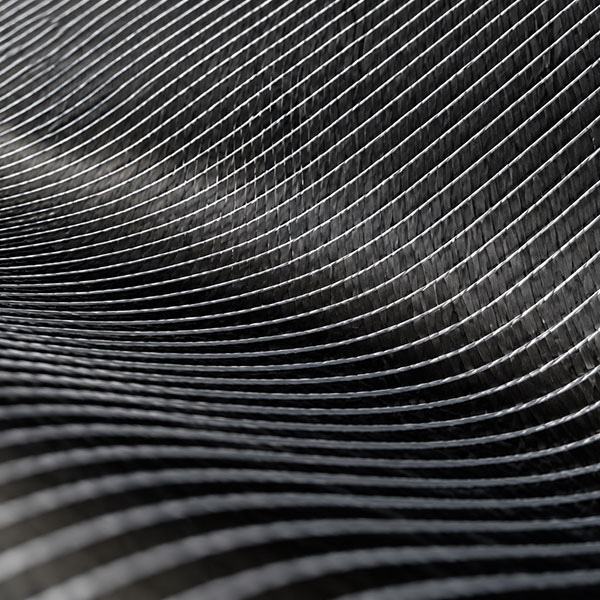 Biaxial ±45° · CBX
Multiaxial (NCF)
CBX, CLT, CL, CTLX and CQX stitched fabrics.
Woven fabrics
CWP200 plain, CWT200 twill, CWU300 UD and hybrids.
Spread tow
Flat, low-crimp tapes woven at 60–200 g/m².
Preform fabrics
Binder-powdered fabrics for RTM and HP-RTM preforming.
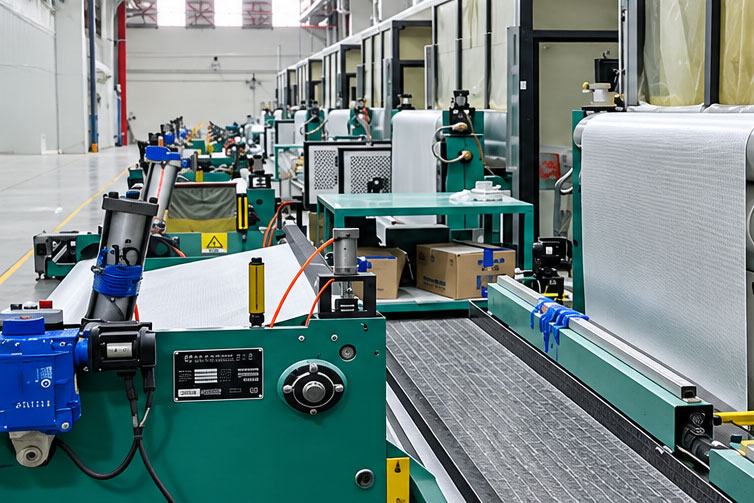
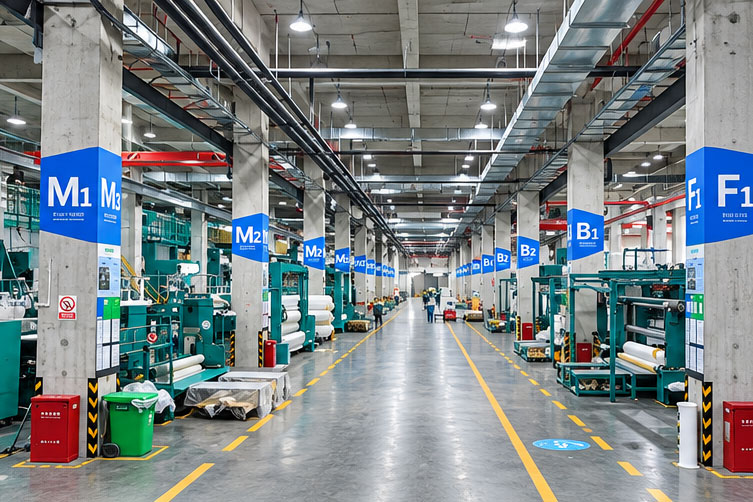
Inside Our Manufacturing Facilities
Advanced manufacturing capabilities and reliable production capacity.
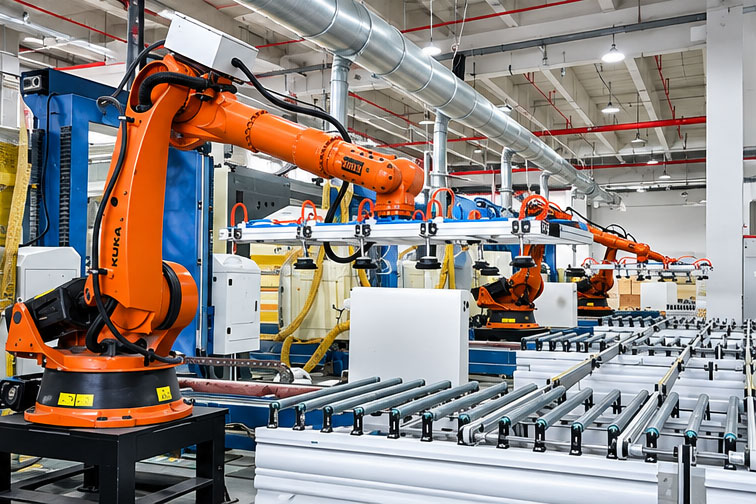
One supplier from the lightest ply to the heaviest roll
Instead of combining several mills, pick the construction your laminate needs and we match fiber, tow, areal weight and width from a single manufacturer.
Four fabric families
Multiaxial, woven, spread tow and preform fabrics cover structural, cosmetic and automated-production parts.
Heavy tow for cost
24K and 50K multiaxial fabrics lower cost per kilogram of carbon for wind blades and large marine laminates.
Two production bases
Carbon fabric lines in Zhejiang, China (2,000 t/yr) and Rayong, Thailand (1,000 t/yr).
Dedicated selection support
Our Carbon Fiber Team helps match fabric, resin and process before you order.
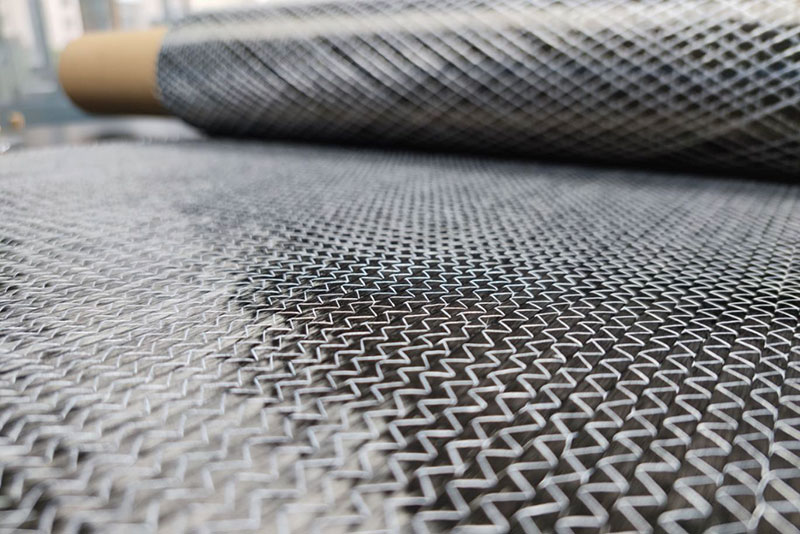 Unidirectional 0° · CL
Carbon fiber multiaxial fabrics (NCF)
Layers of 0°, 90° and ±45° carbon tows are stacked and stitched with polyester yarn instead of being interwoven. Fibers stay straight, so the laminate keeps more of the fiber's strength and stiffness and resin flows through it more easily during infusion.
- Straight, crimp-free fibers for higher laminate strength and fatigue life
- Multiple orientations in one ply reduce layup time
- Open structure suits vacuum infusion and RTM
CLCLTCBXCTLXCQX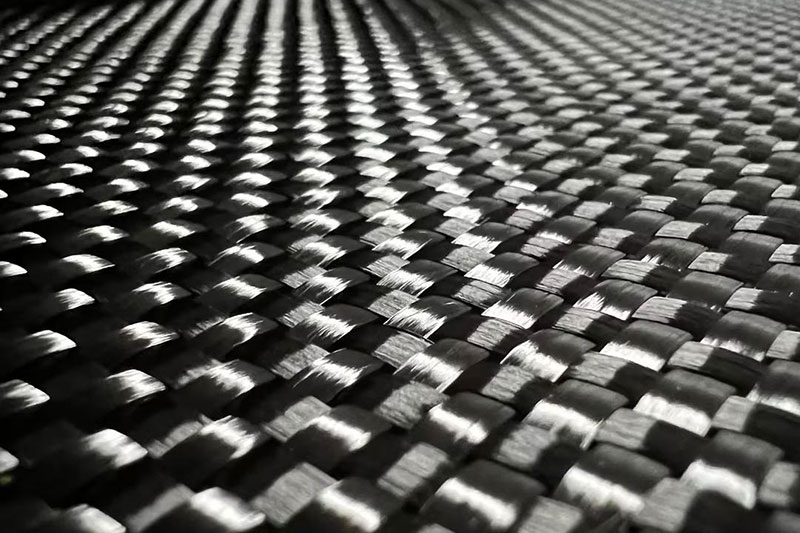 Plain weave · CWP
Carbon fiber woven fabrics
Warp and weft tows interlaced on the loom give balanced two-direction properties, stable handling and the classic carbon surface for visible parts. Choose plain weave for dimensional stability, twill for draping over curves, or unidirectional weave for one-direction loads.
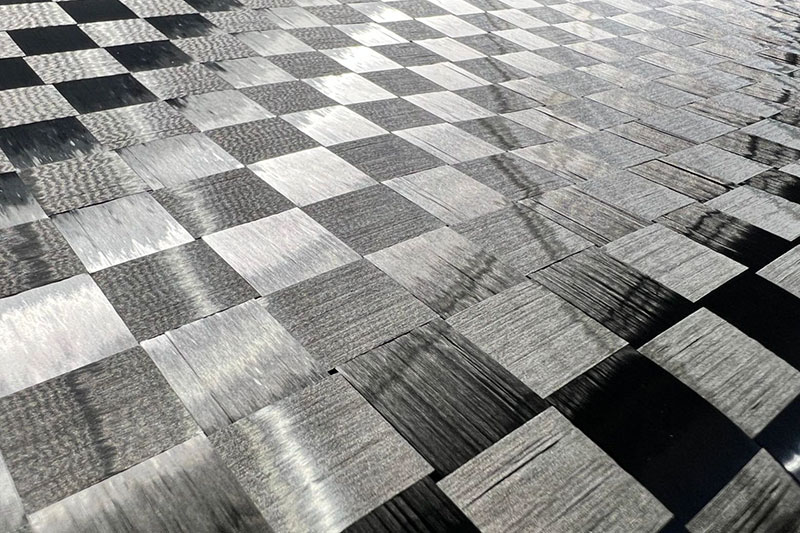 Spread tow plain weave
Spread tow carbon fabrics
12K tows are spread into thin, flat tapes before weaving on spread-tow rapier looms. The flatter tapes cross with far less crimp than round tows, so each ply is thinner and needs less resin.
- Thinner laminates at the same number of plies
- Straighter fibers with reduced crimp for a stronger composite
- Less excess resin, so lower part weight
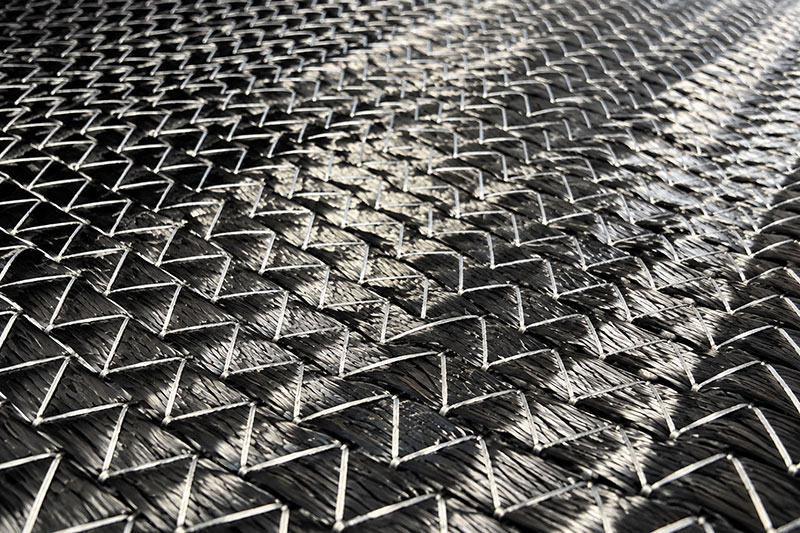 Binder-powdered carbon NCF
Carbon fiber preform fabrics
A fine thermoplastic binder powder is spread evenly over the fabric and fused by heating. When the plies are reheated and pressed, they hold the mold shape as a dry preform, ready for resin injection in RTM, HP-RTM or wet compression molding.
Our core carbon fabric range
These grades cover most woven and multiaxial requirements we receive. Each is available for quotation and sampling, and other weights and constructions can be supplied to order.
Woven fabrics · 1000–1500 mm width
CWP200Plain weaveT300 · 3KCosmetic surface fabric for automotive interior and exterior trim, sports goods, consumer electronics and medical devices.
CWT200Twill weaveT300 · 3KCosmetic twill that drapes over curved parts. Used for automotive trim, sports goods, consumer electronics and medical devices.
CWU300Unidirectional weaveT300 / T700 · 12KOne-direction reinforcement for building strengthening, machinery, wind energy and rail transit.
Multiaxial (NCF) fabrics · 1270–2540 mm width
CBX100Biaxial ±45°T700CBX150Biaxial ±45°T700CBX300Biaxial ±45°T300 / T700CBX400Biaxial ±45°T300 / T700CLT400Biaxial 0/90°T300 / T700CL200Unidirectional 0°T300 / T700CTLX780Triaxial 0/±45°T300 / T700CQX800Quadriaxial 0/90/±45°T300 / T700Multiaxial grades are used in wind energy, shipbuilding and offshore engineering, aerospace, automotive, rail transit, sports equipment and drones.
Carbon fiber fabric specifications
Compare all four families side by side. Custom constructions, weights and widths are available on request.
| Fabric family | Types | Areal weight | Width | Tow | Typical process |
|---|---|---|---|---|---|
| Multiaxial (NCF) | CL, CLT, CBX, CTLX, CQX | From 50 g/m² per layer | Up to 2540 mm | 12K, 24K, 50K | Vacuum infusion, RTM, prepreg |
| Woven | CWP, CWT, CWU, HWT hybrid | 150–600 g/m² | 100–1500 mm | 3K, 12K, 24K/25K | Hand lay-up, infusion, prepreg |
| Spread tow | Plain, twill | 60–200 g/m² | 1000 mm | 12K | Prepreg, thin-wall laminates |
| Preform | Binder-coated woven / stitched | 400–1200 g/m² | 1270–2540 mm | Per base fabric | RTM, HP-RTM, wet compression |
Fiber grade and tow size, explained
Strength grade sets how much load the fiber carries; tow size sets fabric weight, surface look and cost. Our fabrics use T300 and T700 grade standard-modulus fiber.
Tensile strength of the fiber, referenced to Toray grades. Laminate properties depend on fabric, resin and process. Highlighted grades are used in the fabrics on this page.
What "K" means
1K = 1,000 filaments per tow. Small tows (1K–24K) give finer weaves and better surface finish; large tows (≥ 48K) carry more carbon per pass at lower cost.
Highlighted tow sizes are available in our fabric range.
Where our carbon fabrics go to work
Wind & solar
Spar caps and blade reinforcement in heavy-tow multiaxial fabric; woven fabric for PV hot-zone parts.
Shipbuilding & marine
Hull, deck and structural laminates built by vacuum infusion.
Automotive & rail
Battery enclosures, leaf springs, structural and visible trim parts.
Sports & leisure
Bikes, boards, rackets and paddles where every gram counts.
Low-altitude aircraft
Lightweight airframe and rotor-arm structures for eVTOL and drones.
Robotics
Stiff, light arms and housings for intelligent robots. See our robotics team.
Construction
Structural strengthening of beams, columns and slabs.
Made by NMG, a composites producer since 2006
NMG (Zhejiang Lianyang New Materials) began with glass fiber fabrics in 2006 and now makes carbon, glass and aramid reinforcements, structural foams and core kits for clean-energy and transport markets. Lintex is its reinforcement fabric brand.
Get a carbon fiber fabric quote for your project
Send us the fabric type or grade (e.g. CBX300, CWT200), areal weight, width, quantity and application. Our Carbon Fiber Team will reply with suitable options and pricing.
Carbon fiber fabric questions
Which carbon fiber fabrics do you supply?
Four NMG Lintex families: multiaxial non-crimp fabrics (unidirectional, biaxial 0/90 and ±45, triaxial and quadriaxial), woven fabrics (plain, twill, unidirectional and carbon/aramid hybrid), spread tow fabrics, and binder-coated preform fabrics.
What is the difference between multiaxial (NCF) and woven carbon fabric?
Multiaxial fabrics stack straight layers of fiber at 0°, 90° and ±45° and stitch them together, so the fibers carry load without crimp and resin flows through easily — best for large structural parts. Woven fabrics interlace warp and weft, which makes them easier to handle and drape and gives the familiar carbon surface finish.
When should I choose spread tow fabric?
When you need thin, light plies — for example in sports equipment or thin-wall parts. Spread tow fabrics run from 60 to 200 g/m², have less crimp than standard weaves and soak up less excess resin, which lowers part weight.
What is a preform fabric used for?
Preform fabrics carry 8–20 g/m² of binder powder. Heated and pressed in a tool, the plies hold their shape as a dry preform, which is then injected with epoxy or polyurethane in RTM, HP-RTM or wet compression molding. Typical parts are EV battery enclosures, leaf springs and eVTOL structures.
Which fiber grades and tow sizes are available?
T300 and T700 grade carbon fiber. Woven fabrics use 3K, 12K and 24K/25K tow; multiaxial fabrics use 12K, 24K and 50K; spread tow fabrics use 12K.
What areal weights and widths can you supply?
Multiaxial layers start at 50 g/m² with widths up to 2540 mm. Woven fabrics range from 150 to 600 g/m² in 100–1500 mm widths, spread tow from 60 to 200 g/m² at 1000 mm, and preform fabrics from 400 to 1200 g/m² in 1270–2540 mm widths.
Can you make custom constructions?
Yes. Orientation, areal weight, width and binder level can be tailored. Send your target laminate or current fabric spec and we will propose the closest NMG construction.
Which resins work with these fabrics?
Epoxy is the most common matrix for carbon fabrics, and vinyl ester is used where corrosion resistance matters. Preform fabrics are designed for epoxy and polyurethane. We supply matching epoxy resins and vinyl ester resins in the same shipment.
Ready to Select the Right Carbon Fiber Fabric?
Send your layup, process and volume — we'll come back with the right NMG construction and a quote.
Authorized DistributorCarbon fiber fabrics, engineered for every layup.
Multiaxial non-crimp, woven, spread tow and preform fabrics in 3K to 50K tow — from 50 g/m² ultra-light layers to 2540 mm wide structural rolls for wind, marine, automotive and sports composites.
2×2 Twill · CWTBiaxial ±45° · CBXMultiaxial (NCF)
CBX, CLT, CL, CTLX and CQX stitched fabrics.
Woven fabrics
CWP200 plain, CWT200 twill, CWU300 UD and hybrids.
Spread tow
Flat, low-crimp tapes woven at 60–200 g/m².
Preform fabrics
Binder-powdered fabrics for RTM and HP-RTM preforming.
Inside Our Manufacturing Facilities
Advanced manufacturing capabilities and reliable production capacity.
One supplier from the lightest ply to the heaviest roll
Instead of combining several mills, pick the construction your laminate needs and we match fiber, tow, areal weight and width from a single manufacturer.
Four fabric families
Multiaxial, woven, spread tow and preform fabrics cover structural, cosmetic and automated-production parts.
Heavy tow for cost
24K and 50K multiaxial fabrics lower cost per kilogram of carbon for wind blades and large marine laminates.
Two production bases
Carbon fabric lines in Zhejiang, China (2,000 t/yr) and Rayong, Thailand (1,000 t/yr).
Dedicated selection support
Our Carbon Fiber Team helps match fabric, resin and process before you order.
Unidirectional 0° · CLCarbon fiber multiaxial fabrics (NCF)
Layers of 0°, 90° and ±45° carbon tows are stacked and stitched with polyester yarn instead of being interwoven. Fibers stay straight, so the laminate keeps more of the fiber's strength and stiffness and resin flows through it more easily during infusion.
- Straight, crimp-free fibers for higher laminate strength and fatigue life
- Multiple orientations in one ply reduce layup time
- Open structure suits vacuum infusion and RTM
CLCLTCBXCTLXCQXPlain weave · CWPCarbon fiber woven fabrics
Warp and weft tows interlaced on the loom give balanced two-direction properties, stable handling and the classic carbon surface for visible parts. Choose plain weave for dimensional stability, twill for draping over curves, or unidirectional weave for one-direction loads.
Spread tow plain weaveSpread tow carbon fabrics
12K tows are spread into thin, flat tapes before weaving on spread-tow rapier looms. The flatter tapes cross with far less crimp than round tows, so each ply is thinner and needs less resin.
- Thinner laminates at the same number of plies
- Straighter fibers with reduced crimp for a stronger composite
- Less excess resin, so lower part weight
Binder-powdered carbon NCFCarbon fiber preform fabrics
A fine thermoplastic binder powder is spread evenly over the fabric and fused by heating. When the plies are reheated and pressed, they hold the mold shape as a dry preform, ready for resin injection in RTM, HP-RTM or wet compression molding.
Our core carbon fabric range
These grades cover most woven and multiaxial requirements we receive. Each is available for quotation and sampling, and other weights and constructions can be supplied to order.
Woven fabrics · 1000–1500 mm width
CWP200Plain weaveT300 · 3KCosmetic surface fabric for automotive interior and exterior trim, sports goods, consumer electronics and medical devices.
CWT200Twill weaveT300 · 3KCosmetic twill that drapes over curved parts. Used for automotive trim, sports goods, consumer electronics and medical devices.
CWU300Unidirectional weaveT300 / T700 · 12KOne-direction reinforcement for building strengthening, machinery, wind energy and rail transit.
Multiaxial (NCF) fabrics · 1270–2540 mm width
CBX100Biaxial ±45°T700CBX150Biaxial ±45°T700CBX300Biaxial ±45°T300 / T700CBX400Biaxial ±45°T300 / T700CLT400Biaxial 0/90°T300 / T700CL200Unidirectional 0°T300 / T700CTLX780Triaxial 0/±45°T300 / T700CQX800Quadriaxial 0/90/±45°T300 / T700Multiaxial grades are used in wind energy, shipbuilding and offshore engineering, aerospace, automotive, rail transit, sports equipment and drones.
Carbon fiber fabric specifications
Compare all four families side by side. Custom constructions, weights and widths are available on request.
| Fabric family | Types | Areal weight | Width | Tow | Typical process |
|---|---|---|---|---|---|
| Multiaxial (NCF) | CL, CLT, CBX, CTLX, CQX | From 50 g/m² per layer | Up to 2540 mm | 12K, 24K, 50K | Vacuum infusion, RTM, prepreg |
| Woven | CWP, CWT, CWU, HWT hybrid | 150–600 g/m² | 100–1500 mm | 3K, 12K, 24K/25K | Hand lay-up, infusion, prepreg |
| Spread tow | Plain, twill | 60–200 g/m² | 1000 mm | 12K | Prepreg, thin-wall laminates |
| Preform | Binder-coated woven / stitched | 400–1200 g/m² | 1270–2540 mm | Per base fabric | RTM, HP-RTM, wet compression |
Fiber grade and tow size, explained
Strength grade sets how much load the fiber carries; tow size sets fabric weight, surface look and cost. Our fabrics use T300 and T700 grade standard-modulus fiber.
Tensile strength of the fiber, referenced to Toray grades. Laminate properties depend on fabric, resin and process. Highlighted grades are used in the fabrics on this page.
What "K" means
1K = 1,000 filaments per tow. Small tows (1K–24K) give finer weaves and better surface finish; large tows (≥ 48K) carry more carbon per pass at lower cost.
Highlighted tow sizes are available in our fabric range.
Where our carbon fabrics go to work
Wind & solar
Spar caps and blade reinforcement in heavy-tow multiaxial fabric; woven fabric for PV hot-zone parts.
Shipbuilding & marine
Hull, deck and structural laminates built by vacuum infusion.
Automotive & rail
Battery enclosures, leaf springs, structural and visible trim parts.
Sports & leisure
Bikes, boards, rackets and paddles where every gram counts.
Low-altitude aircraft
Lightweight airframe and rotor-arm structures for eVTOL and drones.
Robotics
Stiff, light arms and housings for intelligent robots. See our robotics team.
Construction
Structural strengthening of beams, columns and slabs.
Made by NMG, a composites producer since 2006
NMG (Zhejiang Lianyang New Materials) began with glass fiber fabrics in 2006 and now makes carbon, glass and aramid reinforcements, structural foams and core kits for clean-energy and transport markets. Lintex is its reinforcement fabric brand.
Get a carbon fiber fabric quote for your project
Send us the fabric type or grade (e.g. CBX300, CWT200), areal weight, width, quantity and application. Our Carbon Fiber Team will reply with suitable options and pricing.
Carbon fiber fabric questions
Which carbon fiber fabrics do you supply?
Four NMG Lintex families: multiaxial non-crimp fabrics (unidirectional, biaxial 0/90 and ±45, triaxial and quadriaxial), woven fabrics (plain, twill, unidirectional and carbon/aramid hybrid), spread tow fabrics, and binder-coated preform fabrics.
What is the difference between multiaxial (NCF) and woven carbon fabric?
Multiaxial fabrics stack straight layers of fiber at 0°, 90° and ±45° and stitch them together, so the fibers carry load without crimp and resin flows through easily — best for large structural parts. Woven fabrics interlace warp and weft, which makes them easier to handle and drape and gives the familiar carbon surface finish.
When should I choose spread tow fabric?
When you need thin, light plies — for example in sports equipment or thin-wall parts. Spread tow fabrics run from 60 to 200 g/m², have less crimp than standard weaves and soak up less excess resin, which lowers part weight.
What is a preform fabric used for?
Preform fabrics carry 8–20 g/m² of binder powder. Heated and pressed in a tool, the plies hold their shape as a dry preform, which is then injected with epoxy or polyurethane in RTM, HP-RTM or wet compression molding. Typical parts are EV battery enclosures, leaf springs and eVTOL structures.
Which fiber grades and tow sizes are available?
T300 and T700 grade carbon fiber. Woven fabrics use 3K, 12K and 24K/25K tow; multiaxial fabrics use 12K, 24K and 50K; spread tow fabrics use 12K.
What areal weights and widths can you supply?
Multiaxial layers start at 50 g/m² with widths up to 2540 mm. Woven fabrics range from 150 to 600 g/m² in 100–1500 mm widths, spread tow from 60 to 200 g/m² at 1000 mm, and preform fabrics from 400 to 1200 g/m² in 1270–2540 mm widths.
Can you make custom constructions?
Yes. Orientation, areal weight, width and binder level can be tailored. Send your target laminate or current fabric spec and we will propose the closest NMG construction.
Which resins work with these fabrics?
Epoxy is the most common matrix for carbon fabrics, and vinyl ester is used where corrosion resistance matters. Preform fabrics are designed for epoxy and polyurethane. We supply matching epoxy resins and vinyl ester resins in the same shipment.
Ready to Select the Right Carbon Fiber Fabric?
Send your layup, process and volume — we'll come back with the right NMG construction and a quote.


