Derakane 470-300 vs Derakane 411-350: Which Vinyl Ester Resin Should You Choose?
 Aug 28, 2026|
 View:267
Hello, I'm Chris, the leader of the VE Expert Bank at Evergreen Chemicals and a senior consultant for the AOC brand. I specialize in vinyl ester resin systems, composite molding technologies, and application development for demanding industrial environments.
Over the years, I have worked closely with customers across corrosion-resistant structures, marine applications, and high-performance composite manufacturing, helping them select and optimize resin systems based on performance requirements, processing conditions, and long-term service expectations.
When engineers evaluate vinyl ester resins, one of the most common questions is:What is the difference between Derakane 470-300 and Derakane 411-350, and which one is the right choice for my application?
Both are high-performance vinyl ester resin systems designed for demanding composite applications. However, their molecular structures, performance characteristics, and ideal application areas are different.
Understanding these differences is essential for achieving the right balance between corrosion resistance, mechanical performance, processing efficiency, and cost.
Chris
VE ExpertUnderstanding the Role of Vinyl Ester Resin in Composite Applications
Vinyl ester resins are widely recognized as advanced thermosetting polymers positioned between epoxy and polyester systems.
They combine the excellent chemical resistance and mechanical properties of epoxy chemistry with the processing advantages of unsaturated polyester resins.
Compared with standard polyester resins, vinyl ester systems generally provide:
● Higher toughness and impact resistance
● Better fatigue performance
● Superior resistance to aggressive chemicals
● Improved adhesion to reinforcement materials
These characteristics make vinyl ester resins particularly valuable in applications where composites must withstand harsh operating environments, including chemical processing equipment, storage tanks, pipelines, marine structures, and industrial infrastructure.
However, different vinyl ester formulations are designed for different performance requirements.
This is where the selection between Derakane 470-300 and Derakane 411-350 becomes important.
Derakane 411-350: A Versatile Vinyl Ester Solution for General Corrosion Applications
Derakane 411-350 is one of the most widely recognized bisphenol A epoxy vinyl ester resins in industrial composite manufacturing.
Its balanced formulation provides excellent corrosion resistance, good mechanical properties, and reliable processing characteristics, making it a popular choice for a broad range of FRP applications.
The resin is designed to provide strong resistance against many acids, alkalis, salts, and industrial chemicals.
In practical applications, Derakane 411-350 is commonly selected for:
● Chemical storage tanks
● FRP pipes
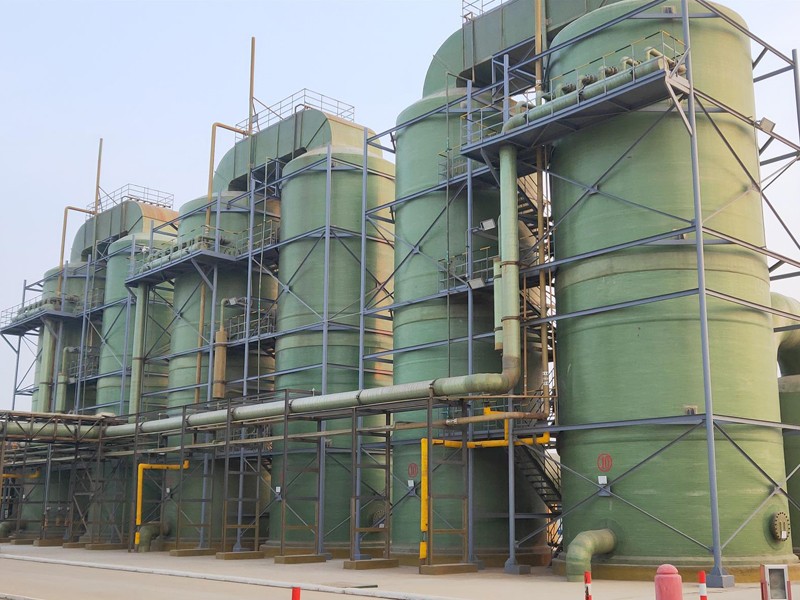
● Scrubbers
● Industrial equipment
● Corrosion-resistant linings
Its balanced performance makes it suitable for manufacturers who require dependable chemical resistance combined with efficient fabrication processes.
For many standard corrosion applications, 411-350 represents a proven and economical vinyl ester solution.
Derakane 470-300: Enhanced Performance for More Demanding Environments
Compared with general-purpose vinyl ester systems, Derakane 470-300 is designed for applications requiring higher performance under severe operating conditions.
Based on epoxy novolac vinyl ester chemistry, this resin provides enhanced chemical resistance, especially in environments involving elevated temperatures and aggressive chemical exposure.
The higher cross-link density of novolac-based vinyl ester systems contributes to improved thermal and chemical performance.
Derakane 470-300 is often considered when applications require:
● Strong resistance to aggressive chemicals
● Higher temperature capability
● Improved durability in harsh environments
● Long-term structural reliability
Typical applications include chemical processing equipment, highly corrosive environments, flue gas systems, and advanced industrial composite structures.
Molecular Structure Determines Performance Differences
The primary difference between these two resin systems comes from their underlying chemistry.
Derakane 411-350 is based on bisphenol A epoxy vinyl ester technology, providing a balanced combination of corrosion resistance, toughness, and processability.
Derakane 470-300 uses epoxy novolac vinyl ester chemistry, which introduces a higher degree of cross-linking within the cured polymer network.
This molecular difference directly influences performance.
A higher cross-link density generally improves:
● Chemical resistance
● Thermal stability
● Resistance to aggressive environments
However, resin selection is always about balancing performance requirements with processing needs and application conditions.
A resin with higher chemical resistance is not automatically the best choice for every project.
How to Select Between Derakane 470-300 and 411-350?
The correct resin choice depends on the actual operating environment.
For applications involving common industrial chemicals, moderate temperatures, and general corrosion protection, Derakane 411-350 provides a reliable and cost-effective solution.
For projects exposed to highly aggressive chemicals, elevated temperatures, or demanding service conditions, Derakane 470-300 may provide the additional performance margin required for long-term reliability.
The chemical environment, operating temperature, mechanical loading, fabrication process, and expected service life all influence the final resin selection.
In many cases, laboratory testing and application-specific evaluation are recommended before large-scale production.
Processing Considerations in Composite Manufacturing
Beyond final cured performance, processing behavior is also an important consideration for manufacturers.
Vinyl ester resin systems must provide suitable viscosity, curing characteristics, and compatibility with reinforcement materials to ensure efficient composite fabrication.
Factors such as:
● Resin impregnation
● Gel time control
● Curing temperature
● Post-curing requirements
can significantly affect production efficiency and final product quality.
At Evergreen Chemicals, our technical approach focuses not only on supplying resin materials but also on helping customers optimize resin systems according to their manufacturing processes.
Chris’s Perspective: Choosing the Right Resin Starts with Understanding the Application
From my perspective as an epoxy resin specialist, successful material selection is never based on a single performance parameter.
“Which resin has higher performance?”
The more important question is:
“Which resin chemistry is designed for my specific operating environment?”
Derakane 411-350 and Derakane 470-300 are both excellent vinyl ester solutions, but they serve different engineering requirements.
A successful composite structure requires the right combination of resin chemistry, reinforcement selection, processing technology, and application knowledge.
At Evergreen Chemicals, the VE Expert Bank works with global composite manufacturers to provide vinyl ester resin solutions, technical support, and customized recommendations for corrosion-resistant structures, marine applications, and high-performance composites.